
When Something You Loved Starts to Feel Like a Chore
It's Not the Thing That Changed, It's Where It Sits
If something you used to do for fun suddenly feels like homework, it may not be the thing itself you've come to dislike, but the place where it now sits. Here are four ways it gets heavy as watching eyes, promises, goals, and familiarity attach to it, and five ways to make it light again.
The “you” in this story, is it really you? See my Social & Private self · free →
There was a time when you knitted for an hour or two after work. You loved all of it, starting with picking out the yarn, and counting stitches let the noise of the day quietly settle. When you posted a photo of yourself wearing a scarf you'd finished, a friend asked, “Could you make me one too?” Then your friend's younger sibling asked, and then a coworker. Requests you'd happily accepted turned into a list, and the list started showing up with dates attached. One evening, looking at the yarn basket beside the sofa, your heart feels heavy. It's definitely something you loved, but today you don't even want to touch it.
When something we loved starts to feel unpleasant, the first thing we do is doubt ourselves. “Have I always been someone who gets bored this fast?” But in many cases, it isn't the thing itself we've come to dislike. In this piece, let's talk about what changed inside the moment something you loved started to feel like homework, and how to make it feel light again.
It's not the thing you dislike, it's where it sits
The things you do because you love them usually belong to the you when alone. They're fine even if no one sees them, even if you're not good at them, even if you stop halfway today. That looseness is one of the reasons you came to love them in the first place.
But once something starts attaching itself to that activity, it moves. When there are people watching, people waiting, and goals written in numbers, it gradually passes over to the you around people. The you around people is the one who keeps promises, meets expectations, and delivers results. The same knitting is rest for the you when alone and a delivery for the you around people.
Some things disappear along the way, too. The you when alone had three freedoms: the freedom to be clumsy, the freedom to stop partway, and the freedom not to explain yourself to anyone. The moment the activity passes to the you around people, these freedoms drop away one by one. Clumsy results feel embarrassing to show, stopping makes you feel bad toward the people waiting, and you have to answer questions about why you haven't been doing it lately.
So “I've stopped liking something I loved” is, more precisely, closer to “Something I used to do in a place of rest has moved into a place of work.” The activity is the same, but the you doing it has changed. This move usually doesn't happen all at once, which makes it hard to notice. One request here, one goal there, it builds up little by little, until one day it suddenly feels like a weight.
Four ways something you loved gets heavy
Depending on what's attached, the way it gets heavy differs too. Each trait has one path it's especially vulnerable to.
| What's attached | When you feel it | The trait it shakes most |
|---|---|---|
| Watching eyes | Before you even start, “Is this worth posting?” is the first thing on your mind | A wide emotional amplitude |
| Promises | Requests pile up and leave no room for your own projects | High on Accommodating |
| Goals and records | Missing today's quota feels worse than not doing it at all | High on Organized |
| Familiarity | The early thrill fades, and only the same motions remain | High on Inquisitive |
Watching eyes. People with a wide emotional amplitude get shaken hard by a single reaction. If the reaction is good, they feel they have to do just as well next time, and if there's no reaction, they wonder why they bothered. As that swing repeats, even the process of doing it gets tense, before they've shown anyone a result.
Promises. People high on Accommodating can't easily turn down a request, and once they accept one, they try to see it through to the end. Before long, something they loved turns into something that fills other people's expectations.
Goals and records. People high on Organized want to manage even the things they love well. Setting standards, like so many pages a day or so many sessions a month, makes it more fun at first. But as the standards pile up, the activity becomes boxes to fill, and the days you don't fill them become days you failed.
Familiarity. People high on Inquisitive enjoy the stage of learning something new the most. The moment it becomes second nature and there seems to be nothing left to learn, their interest cools fast. It's not that they've come to dislike it. They've simply run out of things to learn.
It's rare for only one of the four paths to be open. Taking on requests brings records along with it, and once there are records, you want to show them, and so on, each one pulling in the next. So rather than trying to remove them all at once, it's more realistic to start by lightening the one path that feels heaviest.
Check for yourself
With that activity in mind, pick the lines that apply to you.
- Before you start, you think first about who you'll show the result to.
- When you finish, what comes first is relief at getting it over with, rather than feeling refreshed.
- On days when you do it without anyone knowing, you actually enjoy it a bit more.
- On days you don't do it, you feel guilty for no real reason.
- You can't quite remember the moment you first fell in love with it.
If several of the first four lines apply, there's a good chance the activity has moved over to the you around people. If the fifth line especially bothers you, it's the familiarity path. On the other hand, if not just this but nearly everything feels this way, it may not be a problem with one activity, but a sign that your whole tank has run dry. In that case, start by reading Lately Everything Feels Like a Drag and I'm Drained.
Five ways to make it light again
- Make one piece you won't show anyone. Try making one thing you won't post or give away. If you decide “This one's just for me,” the pressure to do it well drains away, and the activity comes back to the you when alone for a while. If you feel like taking a photo, go ahead. Just keep it in an album only you look at, without posting it anywhere.
- Set a size you can take on when people ask. “Right now I can only do one a month.” If saying no is hard, state a size instead of saying no. The person asking also knows how long they'll wait, so it's easier for both of you. If there are requests already backed up, let them know first: “It's taking longer than I expected, so it'll probably be sometime next month.” Saying so ahead of time feels much lighter than being on edge about running late.
- Turn off the records for a while. Pick a month when you don't count how many pages you read or how many times you did it. If you're high on Organized, writing “no keeping records” down as a rule actually makes it easier to stick to. If leaving nothing behind makes you uneasy, write just one line instead of a number: “What I liked today.”
- Bring in one small new thing. If you're high on Inquisitive, look for something you've never tried within the same activity. A material you haven't used, a running route you've never taken, a book from a genre you don't usually read. Once there's something to learn, even a familiar activity feels new again.
- Rest, with a date to come back. If you still can't bring yourself to do it, you don't have to force it. It's okay to rest. But instead of “I'm quitting,” attach a date, like “I'll pick it up again the first weekend of next month.” You're letting yourself know it's not the end, just a break.
Don't read it this way
- It doesn't mean you should never show anyone the things you love. Plenty of people enjoy them more by sharing them. If it's gotten heavy, the idea is to separate the part you share from the part that's just for you.
- It doesn't mean you have to love it as much as you used to, either. Love for something can move on like the seasons. Setting down something that kept you company for a season of your life isn't a failure.
- Don't label yourself as someone who gets bored easily. People who get a big thrill out of learning new things also have a strong pull toward finding their next joy.
- If days when nothing interests you at all, not just the thing you loved, go on for a long time and everyday life feels like too much, don't just try to bear it alone. Consider talking to a counselor who works with mental health.
Wrapping up
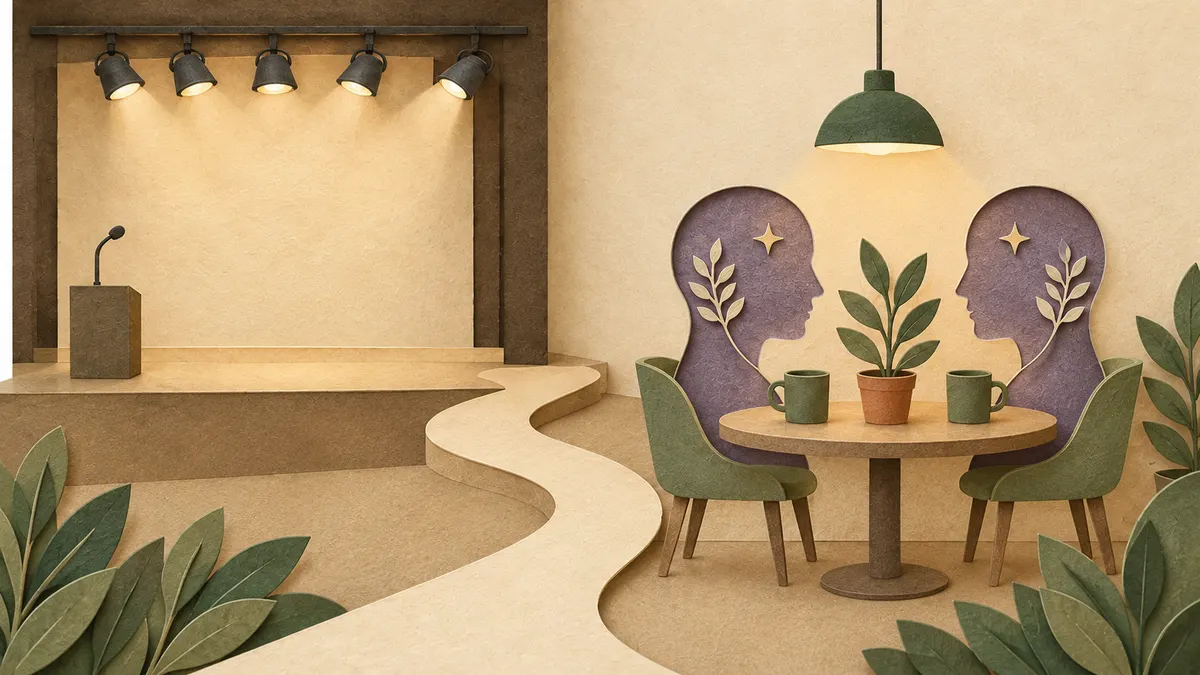
If you've stopped liking something you loved, it may be a sign that it has moved too far away. Before you give it up, try bringing it back to where it started, just once. Give it back to the you when alone for a while, with no one watching, no deadlines, and no numbers. If your hands reach for it again there, it's still yours.
The free personality test shows the you around people and the you when alone on five personality traits, separately. Seeing where you land on Organized and Inquisitive in each of those two situations shows which path the things you love tend to get heavy along.
This piece is meant to help you understand yourself and does not replace psychological diagnosis or treatment.
The “you” in this story, is it really you?
See my Social & Private self · freeFree · Start without sign-up