The Drifting Explorer × The Deep Diver compatibility (RCOEI × RCUEI)
Your type
RCOEI
MBTI: close to INTJ
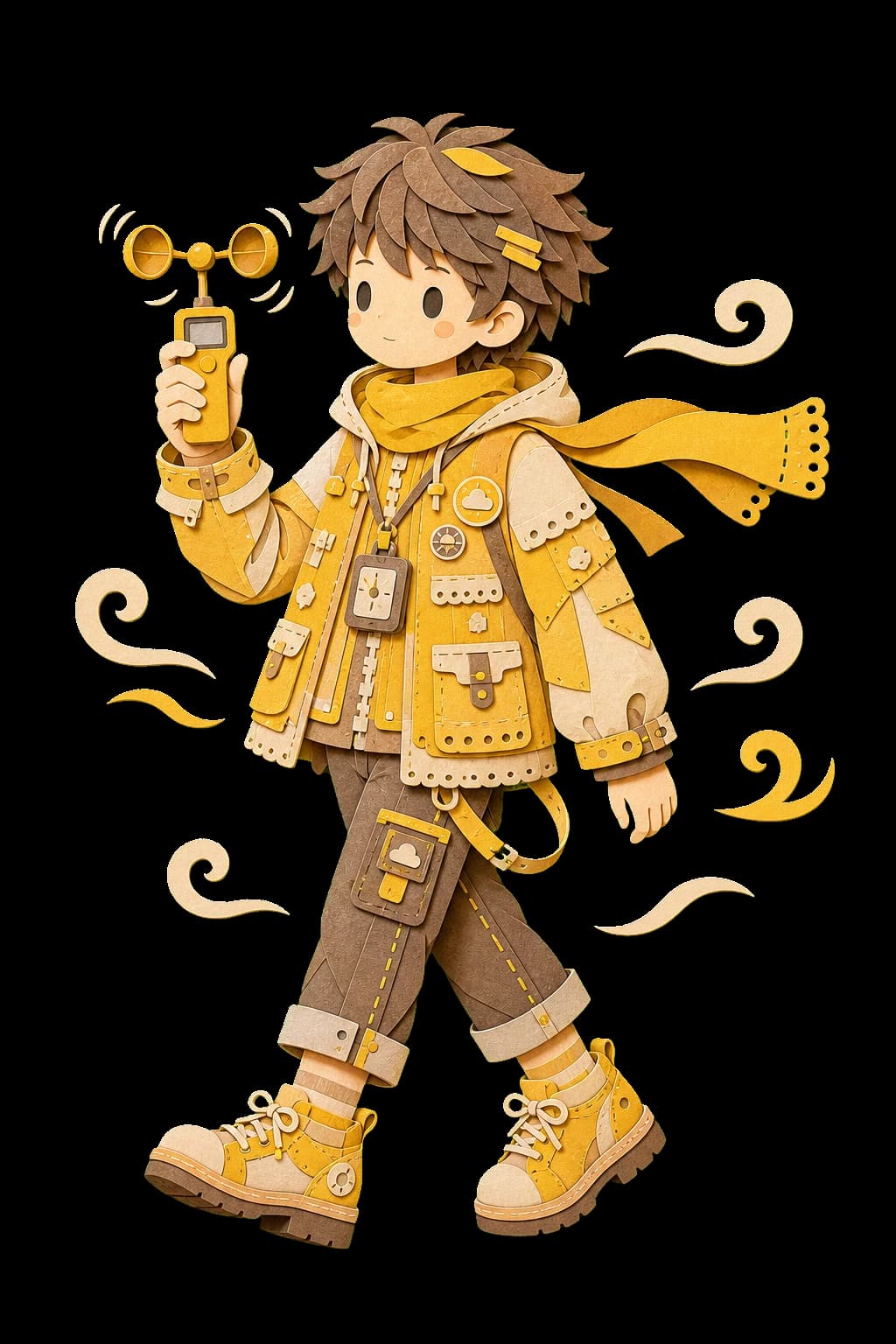
The Drifting Explorer
91
/ 100Soulmates
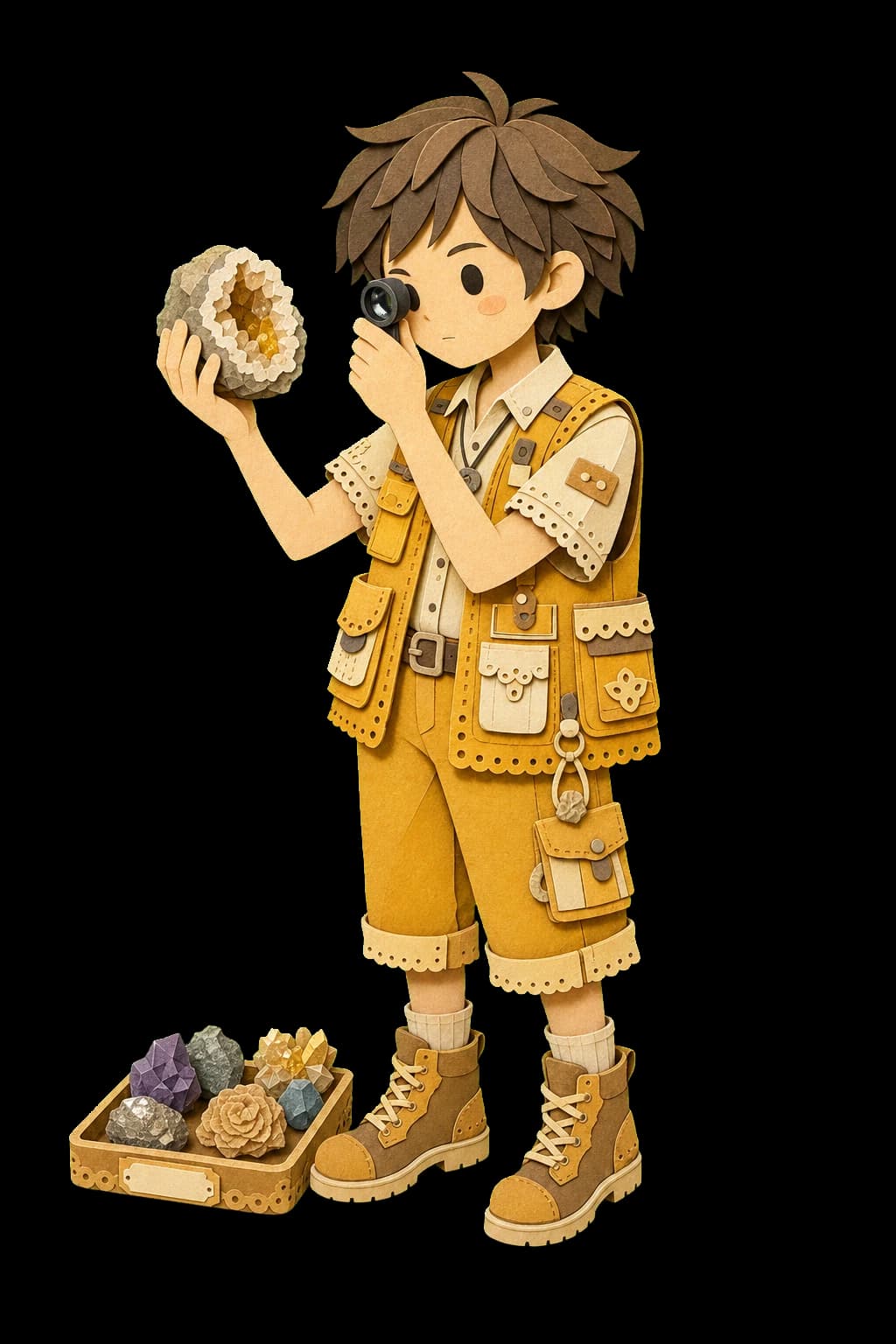
The Deep Diver
RCUEI
MBTI: close to INTP
Their type
At a glance
Both are deeply curious. But one goes fast and deep, the other goes slow and all the way. On the surface they look similar, but their stride differs.
The two of you on five axes
4 of the five axes match and 1 differ. Matching axes are where you recognise each other at once; differing ones are where you learn from each other.
- SocialRCOEIR ReservedRCUEIR ReservedSame
- LimbicRCOEIC CalmRCUEIC CalmSame
- OrganizedRCOEIO OrganizedRCUEIU UnstructuredDifferent
- AccommodatingRCOEIE Self-directedRCUEIE Self-directedSame
- InquisitiveRCOEII InquisitiveRCUEII InquisitiveSame
Where you click
Both value the connections between people and want deep relationships.
- RCOEI tries to link many people, and RCUEI explores one person at a time deeply.
- There's a basic posture of respect, and the energy is good when they talk together. But RCOEI's fast pace and RCUEI's slow pace keep crossing.
Where you clash
RCOEI's private self is a desire to keep finding new connections, and RCUEI's private self wants to dig the well they're already digging even deeper.
- When RCOEI says “look at this too, and that,” RCUEI thinks “but when will you finish?”
- RCOEI finds RCUEI's focus too narrow, and RCUEI feels RCOEI's scatter has no depth.
Relationship playbook
Exploring something together is really good, but matching everyday pace is hard.
- Even when RCOEI suggests “how about this next time we meet?”
- RCUEI says “but I haven't finished this yet.”
- Over time RCOEI feels RCUEI is refusing their suggestions.
“When RCOEI sincerely feels ‘your depth makes my connections meaningful,’ and RCUEI expresses ‘I'll look at other possibilities sometimes too,’ the two can carry depth and breadth together.”
This is for self-exploration, not a basis for judging facts.
Take the test to see your own matches.
Find your compatibility →