The Independent Free Spirit × The Human Switchboard compatibility (RCUAN × SCOEI)
Your type
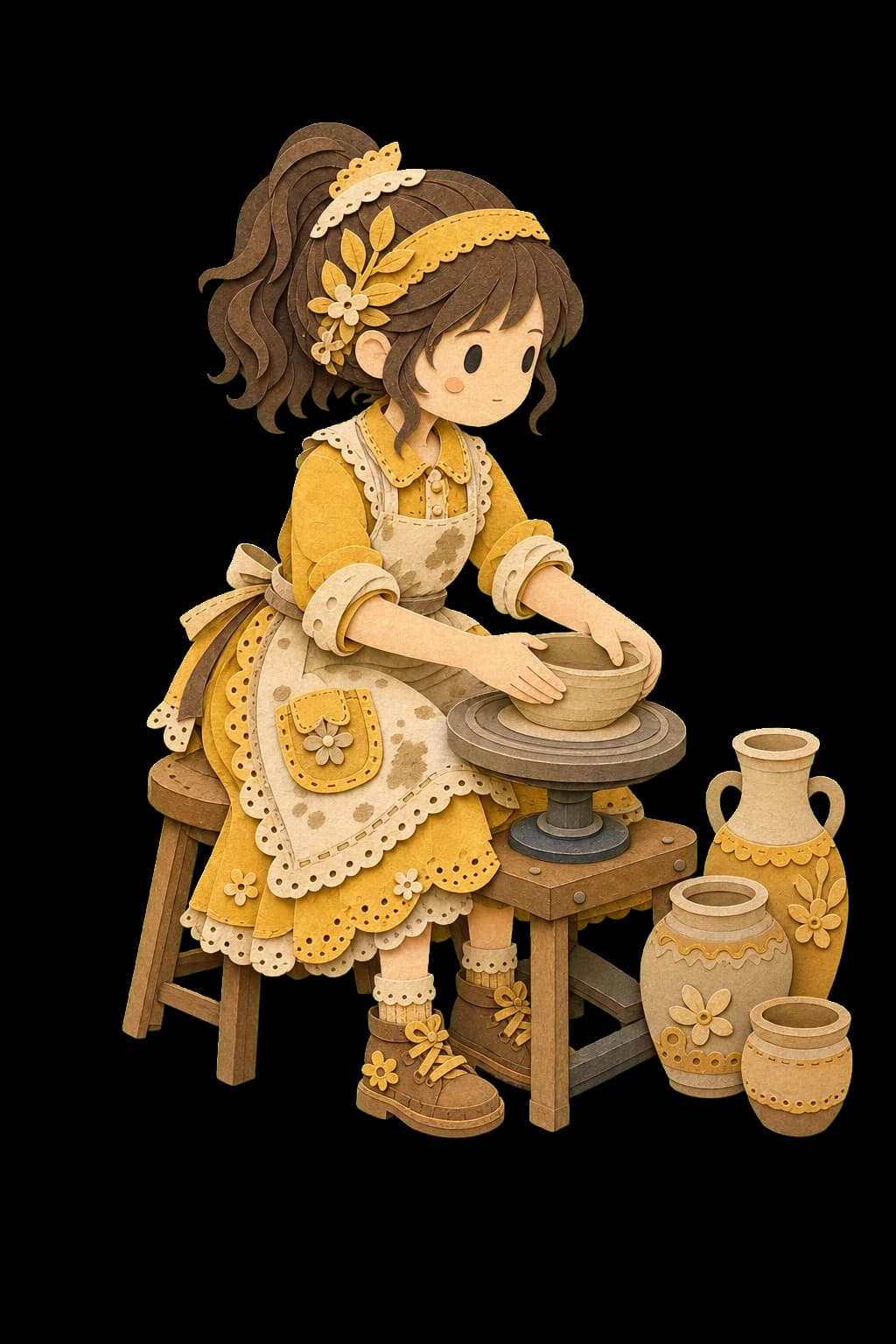
RCUAN
MBTI: close to ISFP
The Independent Free Spirit
63
/ 100Good Friends
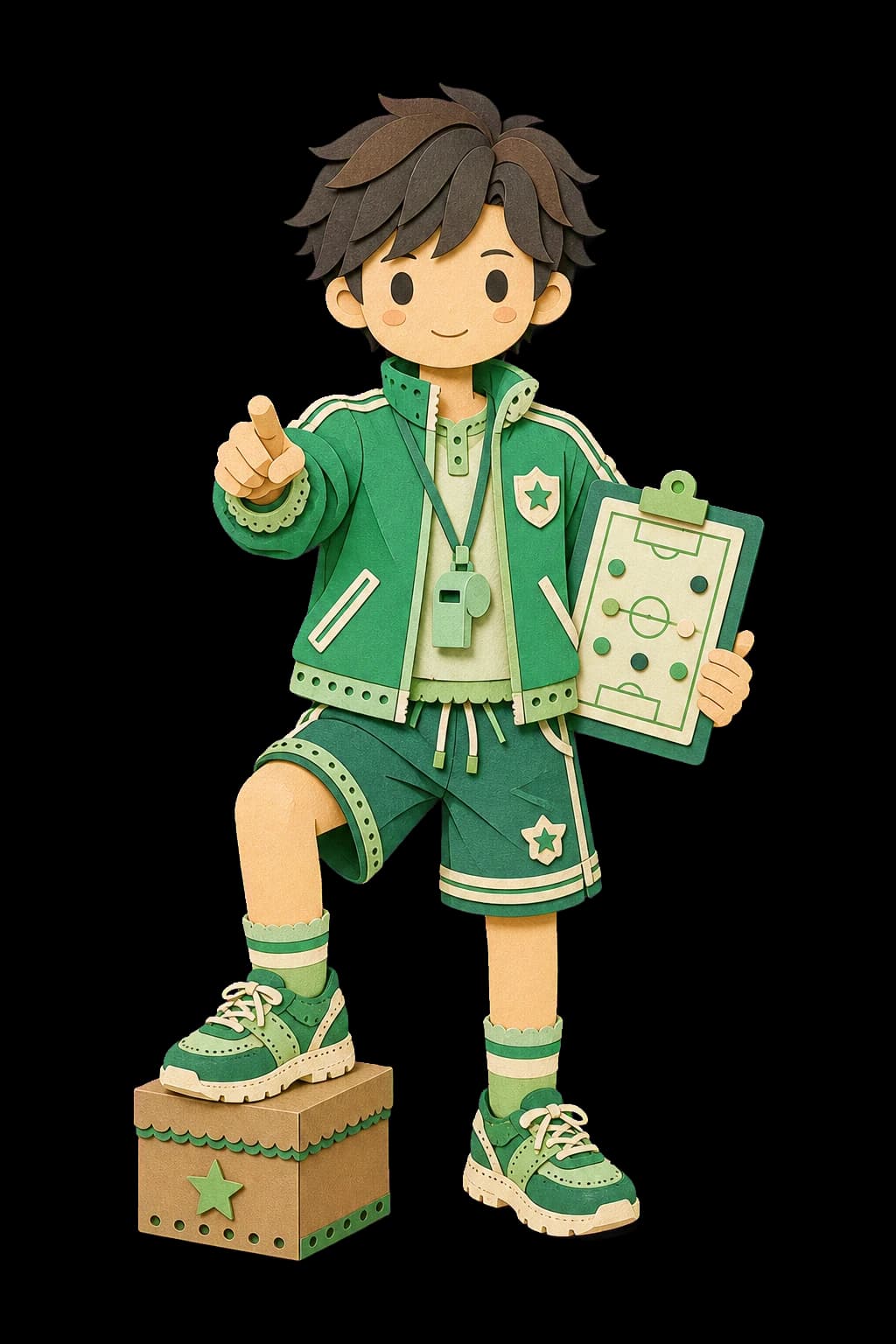
The Human Switchboard
SCOEI
MBTI: close to ENTJ
Their type
At a glance
RCUAN stays at the back while SCOEI assumes they're leading everyone. The load actually sits on RCUAN.
The two of you on five axes
One of the five axes matches and four differ. The matching axis is where you recognise each other at once; the differing ones are where you learn from each other.
- SocialRCUANR ReservedSCOEIS SocialDifferent
- LimbicRCUANC CalmSCOEIC CalmSame
- OrganizedRCUANU UnstructuredSCOEIO OrganizedDifferent
- AccommodatingRCUANA AccommodatingSCOEIE Self-directedDifferent
- InquisitiveRCUANN PracticalSCOEII InquisitiveDifferent
Where you click
In their public selves the work moves and the load divides cleanly.
- SCOEI takes the outward role and RCUAN shores up the inside.
- At the start the roles sit easily on both of them.
- Given time, RCUAN wonders “why can't I ever recharge?” and SCOEI, a little wistful, wonders “why can't you keep up?”
Where you clash
Their public selves lined up.
- Their private ones pull apart.
- When RCUAN goes still and SCOEI turns needy, both end up tired.
- SCOEI asks about RCUAN, “isn't that cold?” and RCUAN asks about SCOEI, “why do you keep waking me?”
Relationship playbook
Meals are where these two fit.
- SCOEI eats fast and keeps talking, and RCUAN chews slowly and smiles.
- Every repeat of that leaves both a little clearer on the other.
“When SCOEI respects RCUAN's pace, and RCUAN understands SCOEI's needs, this difference becomes a strength. In that moment the difference works like tempo instead of a fault, and their deepest bond forms inside it.”
This is for self-exploration, not a basis for judging facts.
Take the test to see your own matches.
Find your compatibility →