The Warm Party Host × Group Organizer compatibility (SCOAI × SCOAN)
Your type
SCOAI
MBTI: close to ENFJ
The Warm Party Host
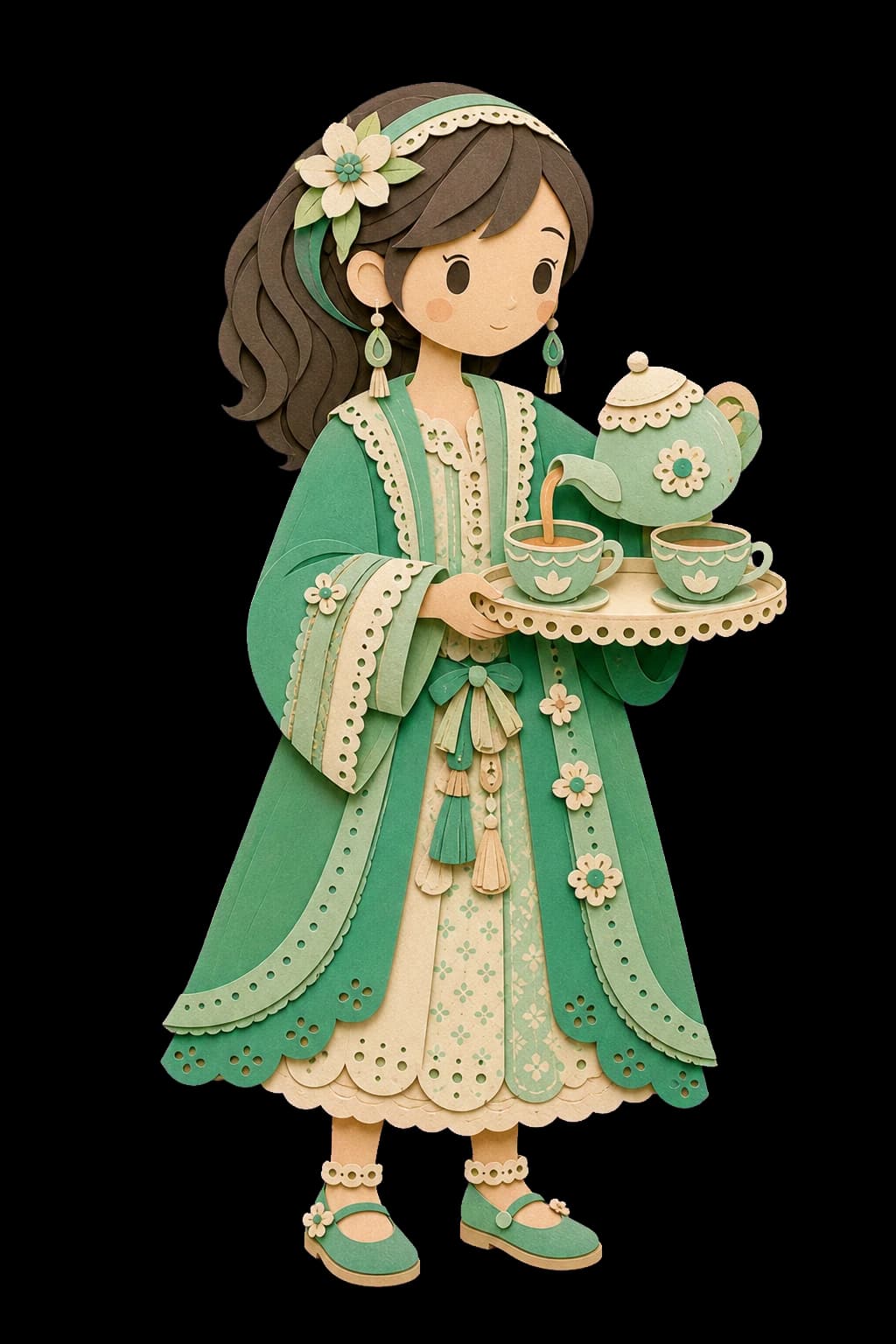
93
/ 100Soulmates
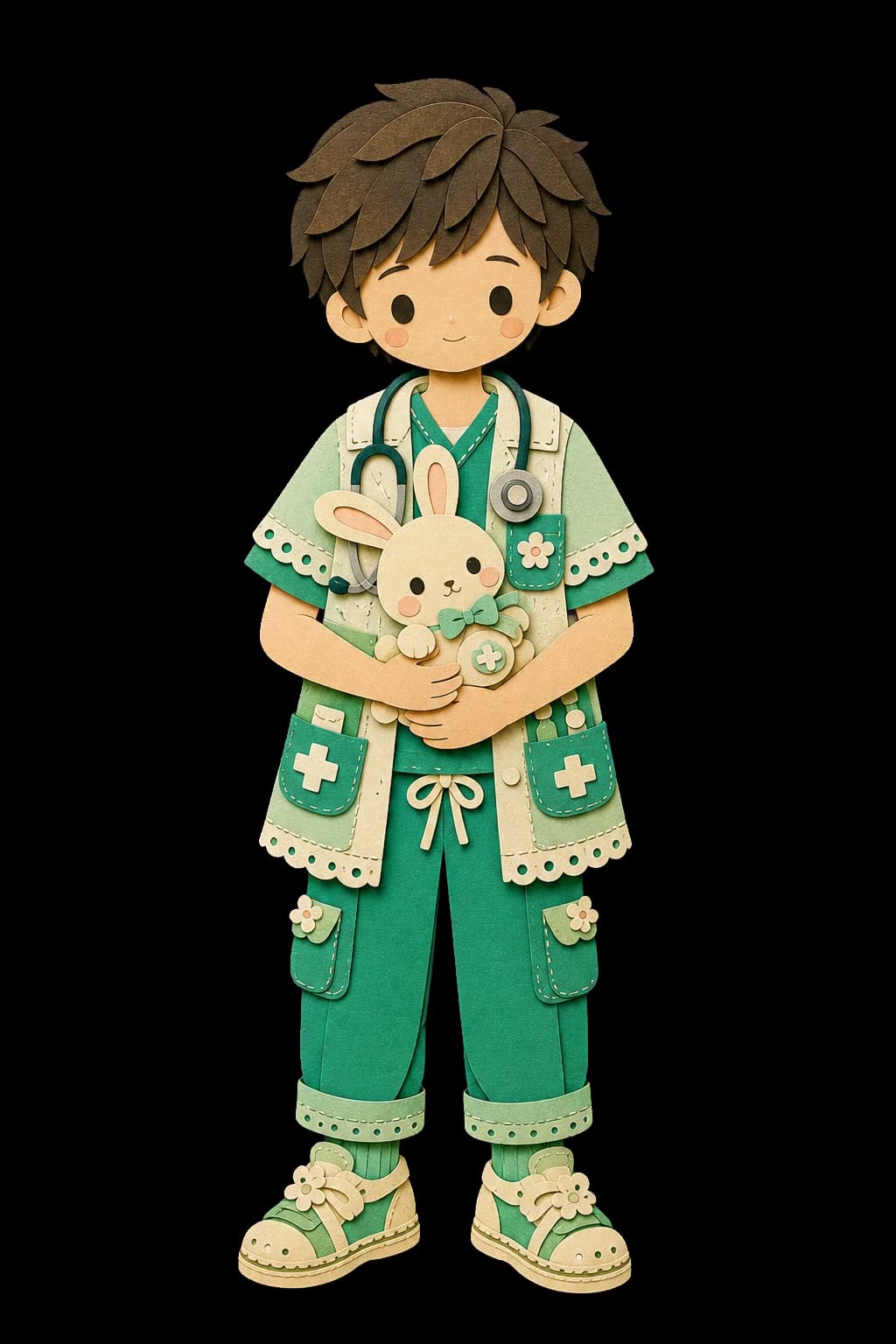
Group Organizer
SCOAN
MBTI: close to ESFJ
Their type
At a glance
SCOAI is a host who makes a space comfortable for everyone, and SCOAN is a leader who guides that space with their vision. Both calm and social, so at first they look like a perfect team.
The two of you on five axes
4 of the five axes match and 1 differ. Matching axes are where you recognise each other at once; differing ones are where you learn from each other.
- SocialSCOAIS SocialSCOANS SocialSame
- LimbicSCOAIC CalmSCOANC CalmSame
- OrganizedSCOAIO OrganizedSCOANO OrganizedSame
- AccommodatingSCOAIA AccommodatingSCOANA AccommodatingSame
- InquisitiveSCOAII InquisitiveSCOANN PracticalDifferent
Where you click
When SCOAI gathers people in one place, SCOAN sets the direction of that place.
- SCOAI's warmth makes people accept the vision SCOAN drives.
- At work SCOAI tends the team mood and SCOAN clearly sets the goal, so synergy comes.
- Both public selves are solid, so trust is high.
Where you clash
The problem is who owns that space.
- SCOAI thinks everyone is the owner, while SCOAN wants a clear hierarchy.
- When SCOAI says “let's decide together,” SCOAN takes the stance “I decide.”
- Even in the same seat, when the center of gravity of power differs, a war of nerves starts.
Relationship playbook
The best moment together is when SCOAI naturally realizes SCOAN's decision that moves everyone. But the next moment, when SCOAI reveals they have their own thoughts too, SCOAN is flustered.
“Both are calm so they don't fight, but when leadership colors differ, frustration piles up over time. When SCOAN learns to hear SCOAI's opinion at times too, these two can become the strongest team.”
This is for self-exploration, not a basis for judging facts.
Take the test to see your own matches.
Find your compatibility →