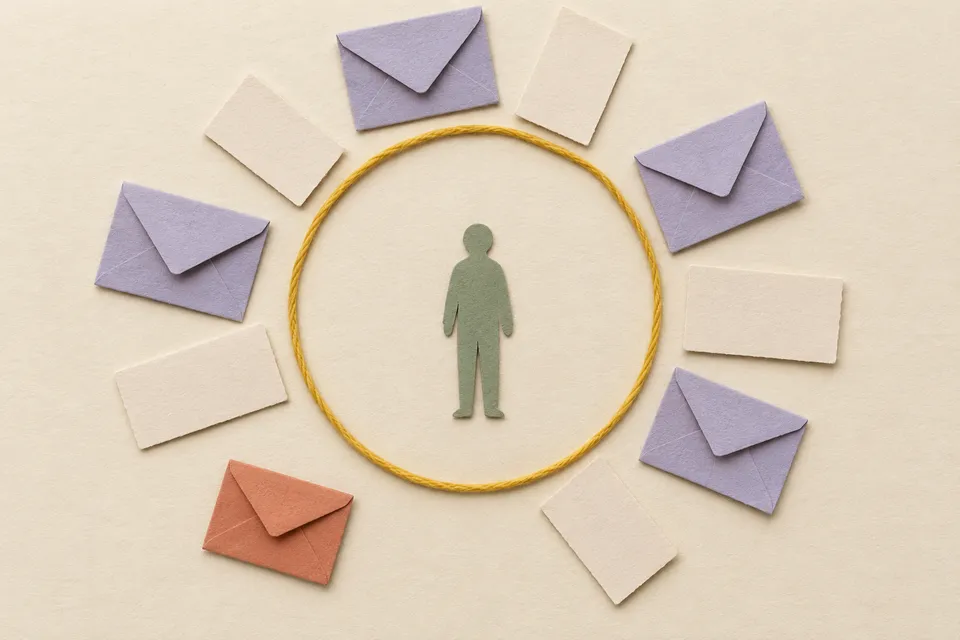
When You Cannot Say No
It Is Not Kindness, It Is Seeing the Aftermath First
Sending “sure, that works” in three seconds and regretting it. Saying no is hard not because you are kind but because the scene after the no plays before the answer does. Which grains it visits most, and five ways to decline without losing the relationship.
The “you” in this story, is it really you? See my Social & Private self · free →
“Are you free this weekend?” You saw the message and sent “sure, that works” within three seconds. Only afterwards did you remember you already had something that weekend. Cancelling feels awkward, and going back on it now feels worse. So you skip the rest, go anyway, and come home tired. The exhaustion came from not saying no, and yet somehow the blame lands on you rather than on the person who asked.
This piece takes that apart: why declining is so hard, which personality grains it visits most often, and how to say no without losing the relationship.
Not being able to say no is not kindness
People who cannot decline get called kind. But kindness is a choice. Not being able to decline is closer to a reflex. The moment a request arrives, the body produces a yes and the thinking catches up afterwards. Sending that reply in three seconds was not generosity; it was more likely that the silence felt unbearable.
What is actually running is prediction. How their face will change, whether they will invite you next time: that scene plays in your head first. The scene is uncomfortable, so you cover it with a yes before it can happen. Saying no, then, is less an act of consideration for them than a switch that turns off a discomfort that has already started inside you.
Three grains that find it hardest
High accommodation. Someone who reads another person's mood in real time also reads the expectation behind the request. Once you see that they asked assuming you would say yes, declining stops being about the request and becomes about betraying that assumption. Different weight entirely. For this grain a no feels less like one answer and more like a crack in the relationship.
Wide emotional amplitude. Someone whose feelings swing hard at small things lives the awkwardness after a no more intensely than it deserves. They said “ah, next time then” and moved on; you replay that exchange ten times that night. Rather than face the replay, you never decline in the first place.
High sociality. This one is less obvious. Someone who runs on energy from being around people reads invitations and requests as signals of connection. Declining feels like losing one of those, so even on a tired day the first thing out is “I should go.”
When all three stack, declining becomes nearly impossible. The good news is that this is not a flaw in your character; it is a setting turned toward high sensitivity. Settings can be adjusted.
Stacked yeses make a relationship thinner, not thicker
The logic is simple: take everything on and the relationship improves. In practice it usually runs the other way.
First, the other person cannot learn where your limit is. Nobody has any reason to be careful with someone who is always available. Requests grow not because the asker turned bad but because you never once told them where too much begins.
Second, you slowly vanish from the relationship. Fit yourself to their schedule every time and there is no room left inside it for your taste, your rhythm, your circumstances. From the outside a very smooth friendship; from the inside, one you are not in.
Third, resentment builds quietly. Nobody forced you, so there is no one to be angry at. The feeling cannot leave, so it hardens where it is. If some small thing one day hurts far more than it should, it is usually not that day's thing; it is every yes you swallowed before it.
Five ways to decline without losing the relationship
- Break the instant reply. It is not the no that is hard, it is the speed. Make “let me check and tell you tonight” your default, and the yes that used to leave in three seconds stops. That one sentence solves half of it.
- Do not give long reasons. The longer the reason, the more of it there is to argue with. “That day is difficult” is enough. Trimming the explanation is not coldness; it is declining to open a negotiation.
- Separate the no from the relationship. Leave only “I can't” and they read the no as a signal about you two. “Not this time, but let's do next week” closes this one thing and keeps the relationship, which means the scene you were dreading never occurs.
- Practise somewhere small. Starting with an important request guarantees failure. Try a no where nothing is at stake: a dish you did not want, a link you have no interest in, an event you do not need to attend. Once the body knows the feeling, it comes out in the bigger rooms too.
- Check the day after. This one works best for wide amplitude. After a no, write down the catastrophe you predicted next to what actually happened. Almost always, nothing. Enough of those entries and the trailer in your head loses its power.
The no that sits between your outer and inner self
People who struggle to decline usually have a wide gap between who they are among others and who they are alone. Outside, someone who smiles easily and fits in well; at home, a day that weighs on them whole. The outer self chose the yes to protect the relationship, and the inner self pays for it alone.
Seeing how different the two are makes that structure visible. If your outer self is very high on accommodation and your inner self is not, the tiredness you feel is not weakness of character but distance between two seats. Closing that distance does not mean making your outer self rude. It means letting your inner self say one sentence out loud, outside.
In short
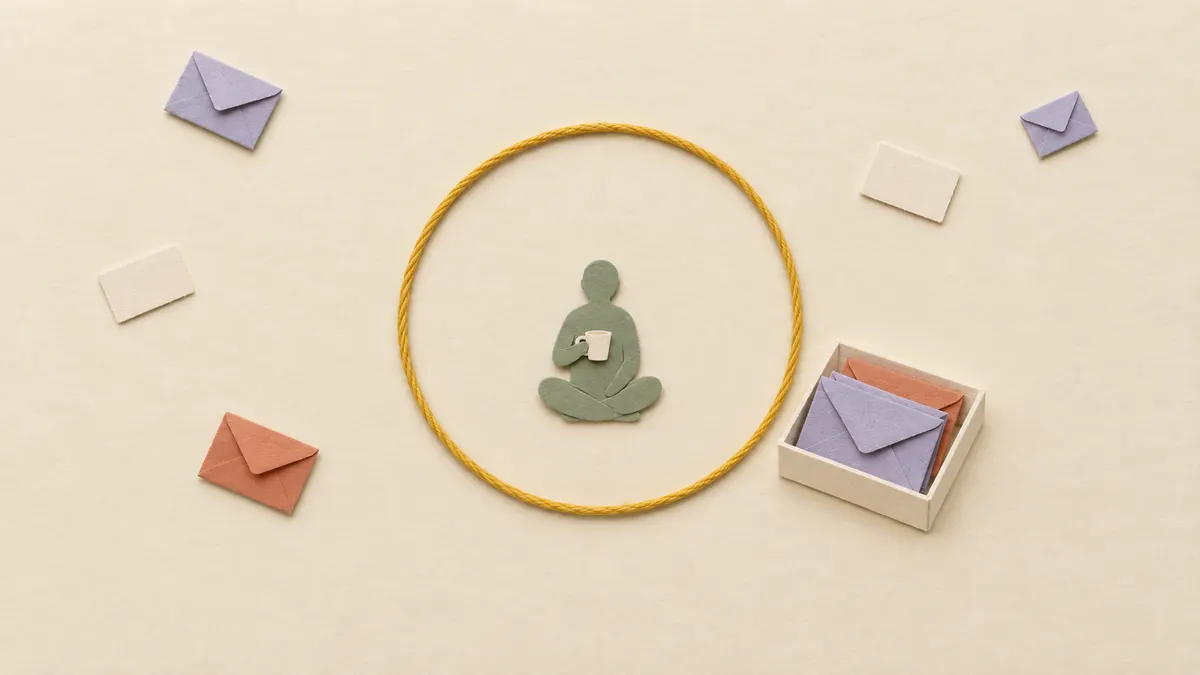
- Not being able to decline is not kindness. It is the scene after the no playing first.
- It visits high accommodation, wide emotional amplitude and high sociality most often.
- Taking everything on looks like it protects the relationship, but they never learn your limit and you slowly leave it.
- Break the instant reply, cut the reason short, separate the no from the relationship, practise small, and check the day after.
The free personality test shows your social self and your private self on five personality traits separately. Seeing where accommodation and emotional amplitude sit in each situation shows which trait makes it hard for you to say no, and which of these methods suits you.
This piece is written to help you understand yourself and does not replace psychological diagnosis or treatment. If the flatness or anxiety that comes from a relationship lasts a long time, talk to a professional.
The “you” in this story, is it really you?
See my Social & Private self · freeFree · Start without sign-up